
PROJECT · 2020–2025
Structure and resilience in a captive chain of the Cerrado
Structuring management and governing dependency in a family grain operation.
Overview
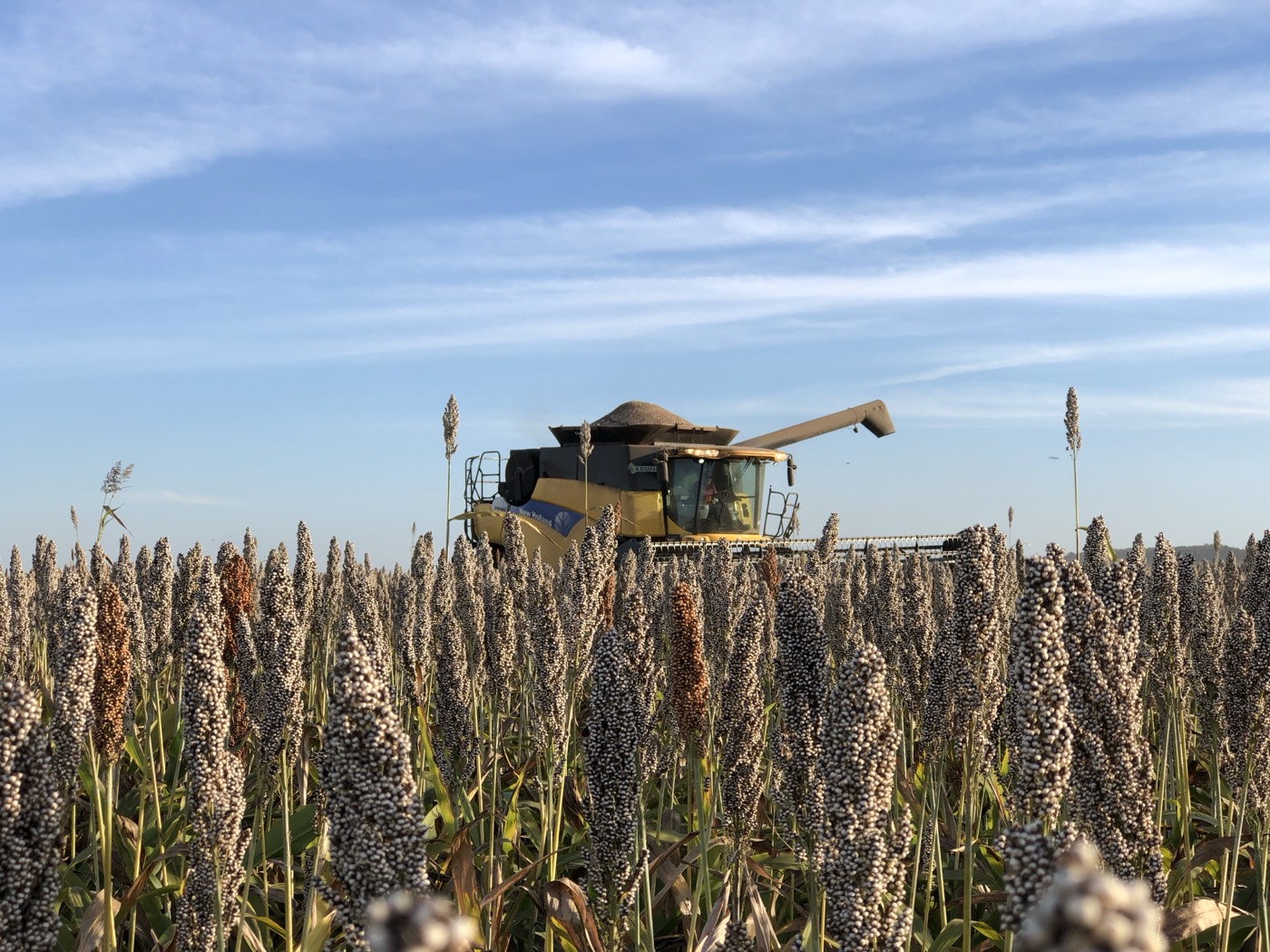
For five harvests (October 2020 to November 2025), I worked inside our family's grain operation in the Cerrado of Tocantins, on the MATOPIBA frontier. Production there demands high productivity under constant climate exposure and permanent capital leverage, in a market where finance is concentrated in a few links of the chain. Under those conditions, management and governance decide whether value is kept or lost.

The problem
The operation was competitive in the field and structurally exposed beyond it: concentrated sources of finance, with the bargaining power that condition imposes; information asymmetry over contracts, processes and markets; and informal family management, without the protocols its operational scale already required.
What I did
I structured the management capacity the scale required: budgeting, delivery monitoring and reconciliation, contractual protocols with specialised legal counsel, organisation of the operation's documentation — from land title records to notary registrations —, relationships with insurers and securitisation firms, and fiscal, tax and environmental compliance with the federal revenue service, the state treasury and the environmental agency of Tocantins. I governed the dependency relationship common to rural producers: designing financing plans to negotiate with trading companies, keeping the partners mobilised and informed, and reducing the information asymmetry that sustained our disadvantage. When a seven-figure legal services proposal threatened to create a new dominant creditor, I structured equivalent protection at a fraction of the cost. I managed risk and crises, from technical and police incident reports to fire response. I conducted emissions inventories (GHG Protocol, IPCC) and assessed financing opportunities in the voluntary carbon market (and in lines such as RenovAgro). I held autonomy over the agenda and over operational and fiscal problem-solving; strategic decisions always went through the partners.
What remained
A leaner, more organised and more assertive management, with protocols embedded in the operation's routine. What changed was the operation's capacity to govern the business with less friction, less exposure to penalties and more information on the partners' side of the table.